

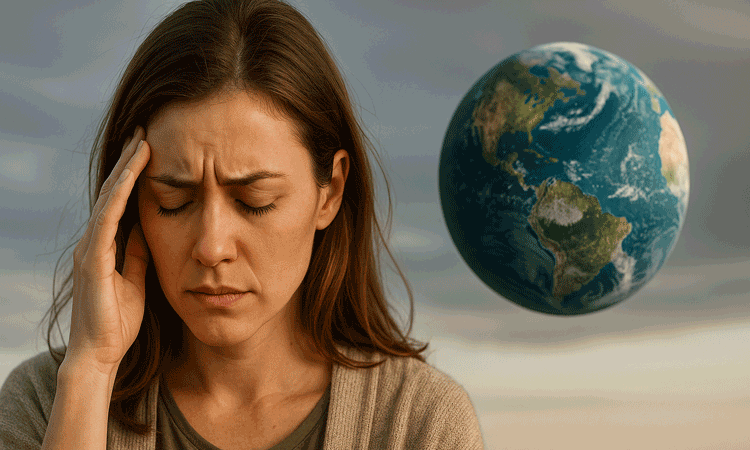
Climate Change and Mental Health: What Therapists Need to Know
Discover the connection between climate change and mental health, and find out what you can do as a therapist to support clients experiencing eco-anxiety, climate grief, and trauma.
Introduction
Floods. Fires. Unrelenting heatwaves. The climate crisis isn’t just happening to the planet—it’s happening to people.
And the psychological toll is growing.
As extreme weather events become more frequent, therapists are increasingly seeing clients grappling with anxiety, helplessness, and grief related to environmental degradation. Whether it’s eco-anxiety, climate grief, or trauma from direct exposure to disaster, the intersection between climate change and mental health is real—and it’s already in the therapy room.
This post explores how climate change is affecting mental health, how clients are responding emotionally and physiologically, and what therapists need to know to respond effectively.
How Climate Change Impacts Mental Health
Climate change can affect mental health both directly (e.g., surviving a wildfire or flood) and indirectly (e.g., chronic worry about the future, displacement fears, loss of cultural identity).
Key Psychological Effects Include:
- Eco-Anxiety: Chronic fear and helplessness about climate collapse
- Climate Grief: Mourning the loss of species, ecosystems, or stable seasons
- Trauma & PTSD: From surviving or witnessing natural disasters
- Displacement Stress: Anxiety around forced migration or community instability
- Moral Distress: Guilt over contributing to environmental harm
Who Is Most Affected?
Populations at Elevated Risk:
- Children and adolescents
- Indigenous communities
- People with existing mental health conditions
- Those living in disaster-prone or resource-scarce regions
- Climate scientists and environmental activists
Clinical Note: Young people, in particular, report heightened levels of eco-anxiety—often compounded by feelings of betrayal and powerlessness.
External Link: The Lancet – Young People’s Climate Anxiety Report
Eco-Anxiety vs. Generalized Anxiety
Eco-anxiety isn’t a disorder—it’s a rational response to a global crisis. The problem isn’t that clients feel anxious—it’s that the threat is real.
Differentiate the Two:
Eco-Anxiety
Focused on environmental crisis
Often collective and values-based
Motivates activism or withdrawal
Generalized Anxiety Disorder
Diffuse, non-specific worries
Often individual and internal
May lead to rumination or avoidance
External Link: Climate Psychology Alliance – Understanding Eco-Anxiety
Clinical Challenges for Therapists
Therapists may feel unsure how to approach climate-related distress. There’s no DSM-5 diagnosis for “climate grief,” and traditional CBT interventions may feel inadequate.
Common Clinical Dilemmas:
- Is this anxiety maladaptive or appropriate?
- Should we process grief, or encourage action?
- How do we avoid spiritual bypassing or toxic positivity?
Therapist Insight: Validating client distress is the first intervention. Climate grief isn’t irrational—it’s appropriate, and clients often need permission to feel it fully.
The Neuroscience of Climate Change and Mental Health
Recent research has illuminated how climate change and mental health are interconnected at the neurobiological level. Studies show that climate-related stressors can trigger the same neurological responses as other chronic threats, activating the brain’s stress response system and potentially leading to long-term alterations in brain structure and function.
Biological Mechanisms at Work
When individuals experience chronic eco-anxiety or are repeatedly exposed to climate disasters, their bodies may remain in heightened states of stress response:
- HPA Axis Activation: The hypothalamic-pituitary-adrenal axis becomes chronically stimulated, leading to sustained cortisol elevation
- Amygdala Sensitization: Increased reactivity to environmental threats and disaster-related cues
- Prefrontal Cortex Changes: Potential impairment of executive function and emotional regulation
Research Highlight: A 2023 longitudinal study found that individuals living in regions experiencing rapid environmental change showed measurable differences in stress biomarkers compared to control groups, highlighting the physiological reality of climate change and mental health impacts.
Developmental Considerations
Children and adolescents are particularly vulnerable to the neurobiological effects of climate change and mental health concerns due to their developing brains:
- Heightened neural plasticity makes young people more susceptible to stress-induced changes
- Climate anxiety during critical developmental periods may shape neural pathways related to safety and future orientation
- Early, chronic stress related to climate concerns can affect cognitive development and emotional regulation capacities
Clinical Consideration: When working with younger clients, therapists should be aware that climate distress may be affecting not just their psychological wellbeing, but potentially their neurological development as well.
The Role of Sleep Disruption
Climate change and mental health challenges often manifest through disrupted sleep patterns, creating a problematic feedback loop:
- Heat waves and rising nighttime temperatures directly impair sleep quality
- Climate anxiety and rumination can delay sleep onset and reduce restorative sleep stages
- Poor sleep further reduces emotional resilience and cognitive capacity to cope with climate distress
External Link: Sleep Foundation – Climate Change and Sleep Quality
Collective Trauma and Social Neuroscience
The relationship between climate change and mental health extends beyond individual psychology into the realm of collective trauma and social neuroscience:
- Communities experiencing repeated climate disasters show patterns consistent with collective trauma responses
- Mirror neuron activation may contribute to “contagious distress” when witnessing others’ climate suffering
- Social networks can either amplify climate distress or serve as protective buffers
Emerging Research: Studies in social neuroscience suggest that community cohesion may provide neurobiological protection against some climate-related mental health impacts through co-regulation and shared meaning-making.
Intergenerational and Epigenetic Considerations
The impacts of climate change and mental health may extend across generations through both cultural transmission and possible epigenetic mechanisms:
- Parental climate anxiety can be transmitted to children through modeling and attachment patterns
- Emerging research suggests potential epigenetic effects of extreme climate stress
- Indigenous communities report climate grief that connects to historical trauma and cultural loss
Cultural Insight: Many Indigenous knowledge systems have long recognized the interconnection between environmental wellbeing and human psychological health, offering valuable frameworks for understanding climate change and mental health that Western psychology is only beginning to appreciate.
Therapeutic Implications of Neuroscience Research
Understanding the neurobiological dimensions of climate change and mental health can inform more effective therapeutic approaches:
- Body-based interventions that address the physiological aspects of climate distress
- Trauma-informed approaches that recognize the potential for climate events to create trauma responses
- Nature-based therapies that leverage the brain’s positive response to natural environments
Climate Justice as a Mental Health Intervention
Addressing the disproportionate impacts of climate change and mental health challenges among marginalized populations is both an ethical imperative and a public health necessity:
- Communities with fewer resources face greater climate risks and less access to mental health support
- Climate injustice compounds historical trauma and structural violence
- Advocacy for climate justice can be both therapeutically empowering and practically necessary
Social Determinants Perspective: Climate change and mental health interventions must consider how social determinants of health interact with environmental stressors to create compounded vulnerability for certain populations.
External Link: World Health Organization – Climate Change, Mental Health, and Health Equity
Best Practices for Supporting Clients
✅ Normalize the Response
Acknowledge that it’s normal to feel overwhelmed in the face of ecological breakdown. Avoid minimizing or pathologizing climate-related distress.
✅ Ground in the Present
Use mindfulness, breathwork, and somatic awareness to help clients return to safety and embodiment.
✅ Explore Values-Based Action
For some clients, activism, volunteering, or climate education can channel anxiety into purpose. For others, setting boundaries around media exposure may be more regulating.
✅ Create Community
Facilitate conversations about interdependence, community resilience, and collective care.
Recommended Resource: Good Grief Network – A 10-Step Program for Eco-Distress
Cultural & Existential Considerations
The climate crisis intersects with colonialism, systemic inequality, and intergenerational trauma. For many Indigenous and marginalized communities, the psychological impacts are layered with grief over stolen land and eroded identity.
Honor cultural knowledge, ancestral grief, and spiritual frameworks as valid components of healing.
External Link: United Nations – Climate Justice and Mental Health
Case Example: Navigating Eco-Anxiety in Therapy
Client: Mara, 27, a climate researcher experiencing daily panic, despair, and guilt over her role in a system she feels is broken.
Presenting Issues:
- Frequent sleeplessness
- Loss of joy and meaning
- Hypervigilance to climate news
Interventions Used:
- Validated eco-anxiety as a moral and emotional response
- Introduced “window of tolerance” framework to manage emotional overwhelm
- Supported boundary setting around social media exposure
- Co-created a ritual of “climate sabbath” for weekly restoration
Outcome:
Mara began sleeping better, reporting “more clarity and less spiraling,” and felt more empowered to continue her research work with emotional sustainability.
Conclusion
Therapists can no longer afford to ignore the mental health effects of climate change. From existential dread to acute trauma, the emotional cost of ecological instability is rising—and clients are already bringing it into the therapy room.
By understanding the nuanced relationship between climate change and mental health, therapists can become more confident, compassionate guides through this evolving terrain.
✅ Want to deepen your skills working with trauma, anxiety or other issues? Browse our upcoming live courses here.
Next Steps:
- Explore The Climate Psychology Alliance
- Read the APA’s Climate Change & Mental Health Report
- Join our therapist community on LinkedIn and Facebook.