


Before every Cancun workshop, the presenter sits down with us for a free, half-hour Cancun Conversation: who they are, how they work, and what the week will actually feel like. Four have happened so far. Here’s what stood out from each, with the full recordings if you want to watch.
📅 Week 1 — Workshops Mon 1 – Fri 5 February 2027
📅 Week 2 — Workshops Mon 8 – Fri 12 February 2027
🕘 Mornings 9:00 am – 12:30 pm, afternoons free
🏝️ Dreams Jade Resort & Spa, Puerto Morelos, just south of Cancun
⏰ Early Bird rates end October 15, 2026
Arielle Schwartz: The Resilient Body
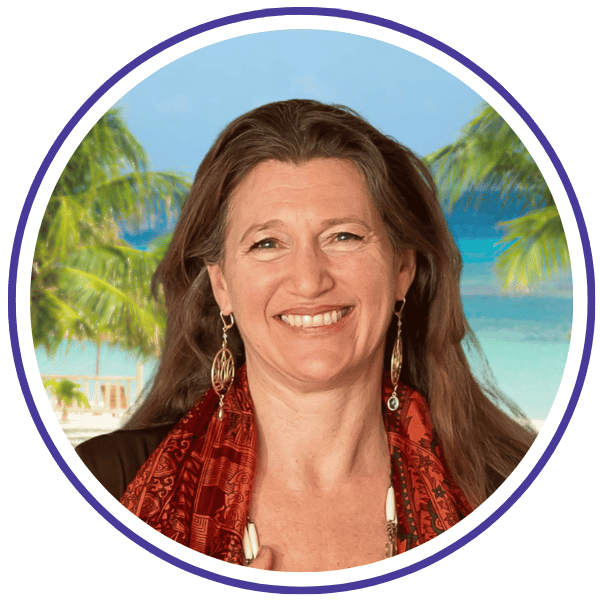
Week 1 · with Michael Kerman, September 15
Arielle came to body-centred therapy through her own experience. She noticed stress showing up in her body, and noticed she felt better after yoga. That led her to study somatic psychology in Boulder in 1996, then EMDR, then a PhD, and eventually to teaching applied polyvagal theory alongside Dr. Stephen Porges.
Key takeaways
- It isn’t a new therapy. Applied polyvagal theory is a set of understandings and nervous-system interventions you bring into the way you already work, beginning with your own regulation so you can co-regulate with clients.
- One lens for many presentations. Arielle calls it transdiagnostic: anxiety, depression, PTSD, complex PTSD, OCD and panic can all be understood through the nervous system.
- Bottom-up and top-down together. Clients need cognitive tools, but also breath, movement and body awareness to reach the freeze and shock patterns that story alone doesn’t touch.
- She’ll talk about the critiques. Arielle addresses the debate around polyvagal theory directly: what holds up, and what’s still in question.
- Every session is experiential. Practices she leads, small-group practice with each other, a video case, your cases and short demos.
“There’s a reason I’m coming back… I will build everything else around this program.”
— Arielle Schwartz
Jennifer Sweeton: Advanced Trauma Treatment

Week 2 · with Michael Kerman, September 29
Jennifer started college as a computer engineering major, picked up her roommate’s psychology textbook, and never looked back. She went on to a PhD at Stanford in personality psychology and affective neuroscience, and the question that moved her into clinical work was simple: now that we know what trauma does in the brain, how do we change it?
Key takeaways
- No prior EMDR, prolonged exposure or CPT training needed. The week is a framework for the timing and sequencing of trauma treatment, rooted in how the brain changes, that works with whatever you already use.
- The alliance is a neurobiological intervention. Day 1 gets concrete about attunement and mirror neurons, and the techniques that target them.
- Watch for dissociation, don’t avoid it. If a client isn’t present, the brain areas needed for memory reconsolidation aren’t engaged. The skill is assessing for it and helping the client manage it.
- Three things to take home: renewed hope about the brain’s ability to change, a clear framework for when you feel stuck, and new tools.
- Learn it, then try it. Teaching on what each brain area does is mixed through the mornings with demonstrations and partner practice, so you try techniques as you go.
“A lot of times the issue isn’t that we’re using the wrong techniques, but that we’re doing the right things at the wrong times.”
— Jennifer Sweeton
Robyn Walser: Acceptance and Commitment Therapy

Week 1 · with Emily Porter, October 2
Robyn planned to be a doctor until chemistry got in the way and a psychology lab caught her attention. She went to her first ACT workshop as a graduate student under Steven Hayes in 1991. With a trauma history of her own, she says the idea that her inner experiences weren’t a problem to be solved was freeing, and she’s been doing the work ever since.
Key takeaways
- Thoughts and feelings aren’t the problem. ACT helps clients make room for joy and pain instead of fighting what’s inside. Trying to control pain, Robyn says, also cuts off joy.
- From understanding to doing. You’ll experience processes like defusion and self-as-context yourself, then practise bringing them to life with clients.
- The therapist is part of the room. Clients evoke feelings in us, and noticing them helps you choose what will be useful in the session.
- Choosing meaning over feeling good. Small moments of choice, made with awareness, are where clients move toward what matters to them.
- A warm room, not a lecture hall. Robyn wants the five mornings to feel welcoming and human: some tears, a lot of laughter, and everyone doing the work together.
“Instead of feeling good, it’s about living well.”
— Robyn Walser
Jamie Marich: Working with Dissociation in Therapy
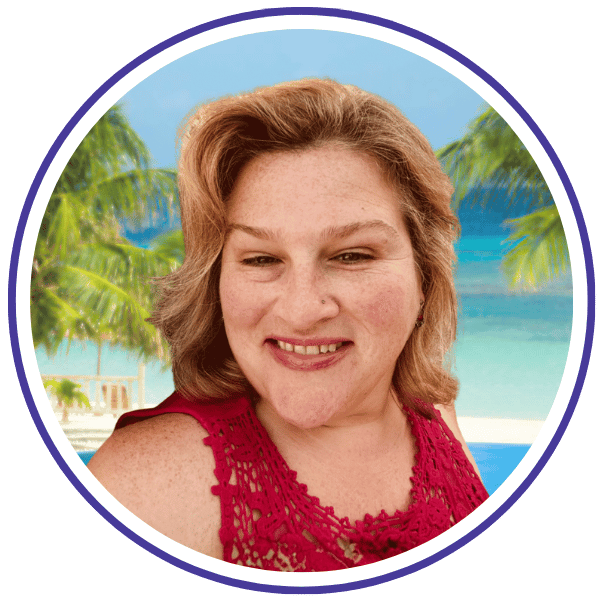
Week 2 · with Michael Kerman, October 7
Jamie teaches internationally on EMDR, expressive arts, mindfulness and yoga, keeps a private practice in Akron, Ohio, and founded the Institute for Creative Mindfulness. She brings lived as well as learned experience to this work: asked whether dissociation is real, she says the field settled that long ago, and that she has lived it.
Key takeaways
- Two myths, at opposite ends. One says dissociation isn’t real. The other says it’s so fragile it has to be handled with kid gloves. Jamie sees the second behind a lot of the crisis of confidence in otherwise skilled clinicians, and the week starts by unpacking where those messages come from.
- It isn’t only the blank stare. Overtalking, overexplaining and staying in your head can be dissociation too. To dissociate means to divide or sever, and we often do it to protect ourselves from an uncomfortable present moment.
- Ten-plus grounding skills, and how to bend them. Classics like a five-senses scan and walking meditation (outside, if the group wants), plus expressive arts and movement. The real lesson: when a client says a skill isn’t working, get curious and modify it.
- “Parts” is optional language. If the word doesn’t fit, try roles, sides or aspects of yourself. Jamie often maps a client’s inner world through their own interests, like the characters in a favourite story.
- For every clinician, EMDR-trained or not. Most of the content applies to everyone, with breakouts for EMDR clinicians on applying it. The workshop is also approved for 12 EMDRIA credits.
“All human beings have parts and all human beings dissociate.”
— Jamie Marich
What all four said about the half-day format
- Jennifer: most trainings run full days back to back. Finishing at 12:30 gives people time to process and digest without feeling overwhelmed.
- Arielle: because the training itself isn’t exhausting, it doesn’t become one more demand on an already full plate.
- Robyn: learn in the morning, then digest the experience next to the pool or the ocean.
- Jamie: brains are freshest in the morning, and because the work can get personal, the afternoon is yours to write and reflect, or to let the pool and the sun take care of you.
More Cancun Conversations are on the way. You only need to book one week, and every package includes your seven-night all-inclusive stay and one workshop registration.